Agriculture and the Future of Humanity
Latest on Agriculture…
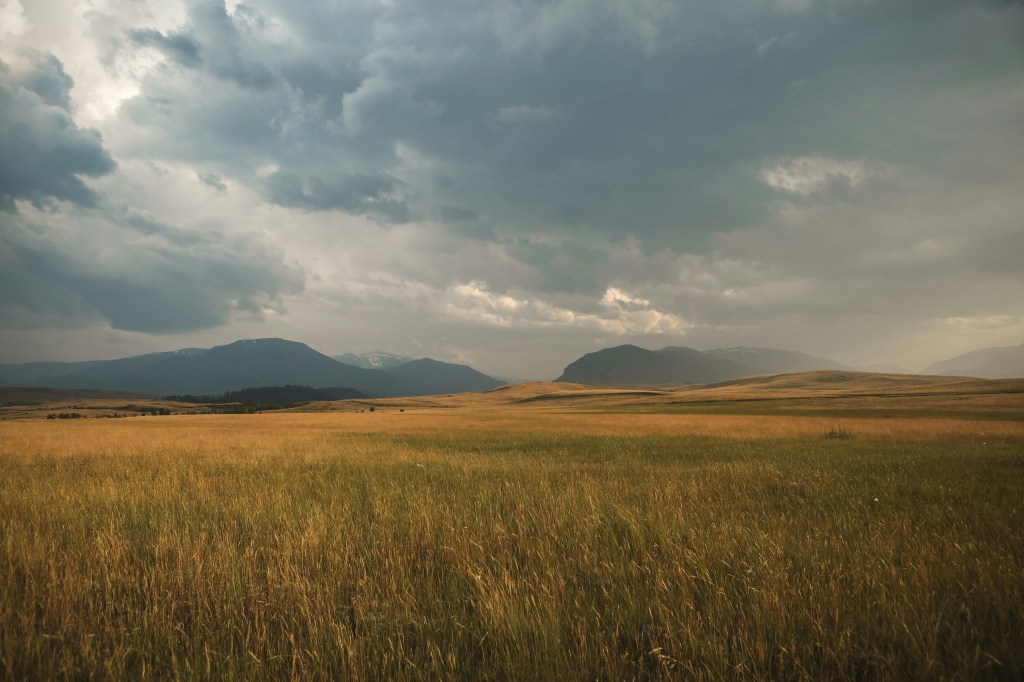
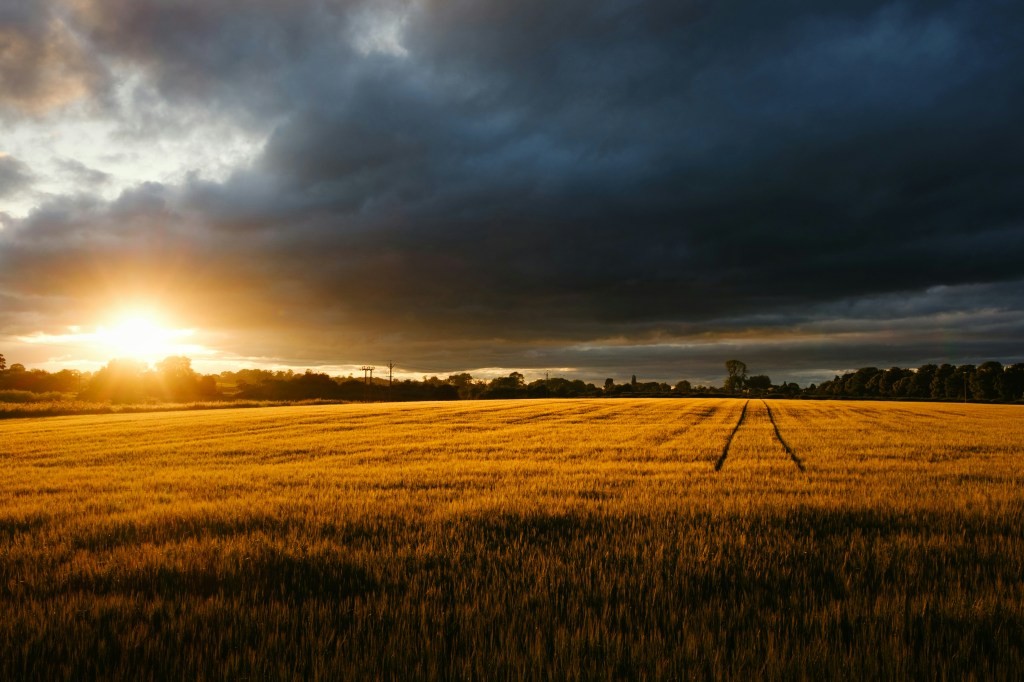
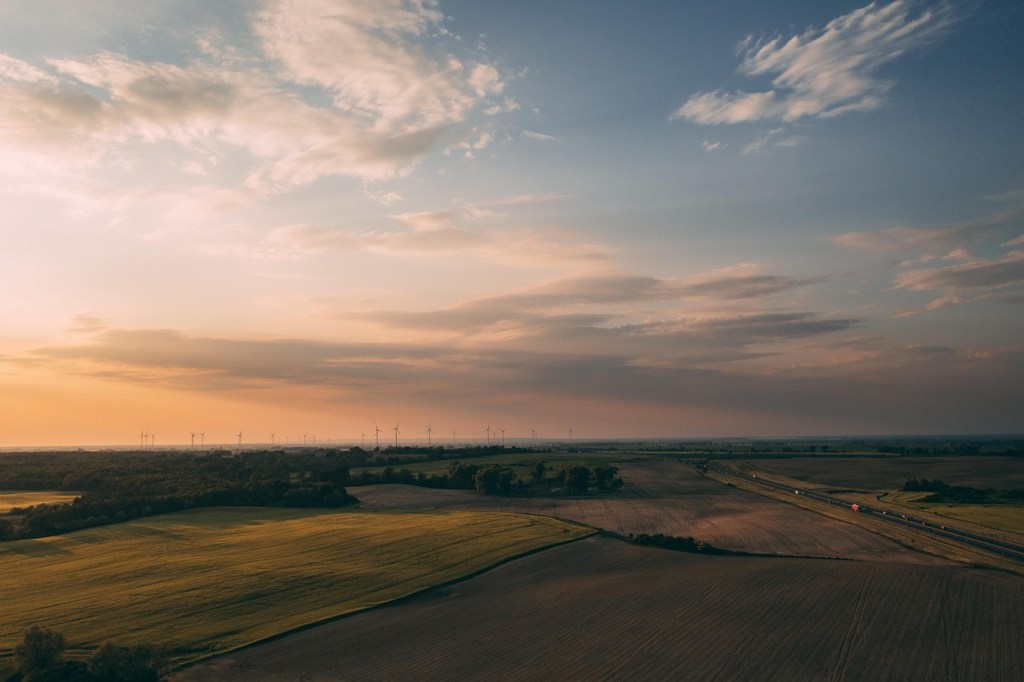
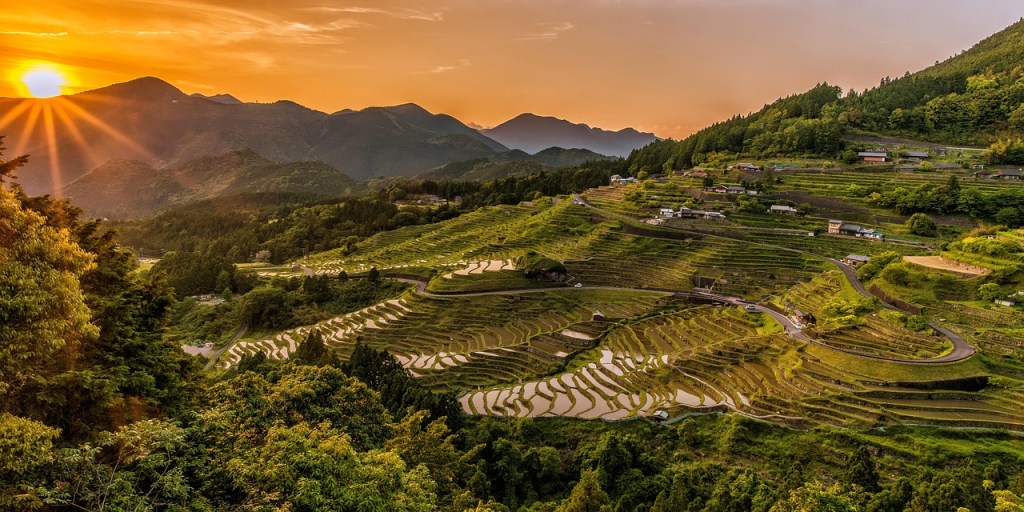
We must understand agriculture not as a narrow occupation confined to farmers and fields, but as the foundation of human survival and stability. Every society that has endured was built on the strength of its ability to feed itself. From the first sowing of grain to the vast breadbaskets of today, agriculture has been the silent infrastructure of civilization. Without fertile soil, clean water, and reliable harvests, no community, no nation, and no generation can stand secure.
We must also recognize that agriculture is more than food production; it is the bond that holds communities together. Working the land teaches patience, discipline, and respect for limits. Planting and harvest are not just tasks — they are acts of trust, responsibility, and continuity. When families labor together, when neighbors share tools and knowledge, when harvests are celebrated as common victories, we see that agriculture creates more than crops. It creates cohesion. It teaches us that survival is collective, that resilience is shared.
We must face the truth that the 21st century places agriculture under new strains. Climate instability, biodiversity loss, and the fragility of global supply chains reveal how dependent we are on systems we often ignore. Extreme weather threatens harvests. Pollinators vanish, soils degrade, and fisheries collapse. When these natural processes fail, societies are forced to replace them with costly, fragile substitutes. We cannot afford to continue acting as if nature’s services are free and limitless. We either defend the living systems that sustain agriculture, or we accept rising insecurity, instability, and decline.
We must therefore treat agriculture as ecological stewardship. A field is not just a production site but a living system. The hum of bees in an orchard, the hedgerows sheltering small species, the rotation of crops that keeps soils alive — all these are integral to resilience. When we allow monocultures to dominate and short-term profit to strip the land, we are sabotaging our own future. The lesson is clear: we will not have enduring prosperity if we destroy the conditions that make prosperity possible.
We must also see agriculture as a question of freedom. Societies that cannot feed themselves are societies that are not secure. Dependency on distant supply chains leaves us fragile in moments of crisis. Grain reserves, local food networks, fertile soils, and clean water are not luxuries of the past; they are shields against instability in the future. To control our food is to control our destiny. To neglect it is to surrender it.
We must not forget the cultural and human dimensions of agriculture either. The blossoms of orchards, the gold of wheat fields, the rhythm of planting and harvest — these are more than aesthetics. They root us in place, bind us to cycles of renewal, and remind us that our lives are connected to the earth’s renewal. Without these rhythms, human life becomes unmoored, disconnected from the very ground it depends upon.
We must accept that the future of agriculture is inseparable from the future of humanity itself. This means balancing innovation with tradition, technology with stewardship, productivity with renewal. It means investing in soil health, biodiversity, and sustainable practices, not as optional measures but as core strategies of survival. The question is not whether agriculture matters, but whether we will have the wisdom to rebuild and protect it in time.
In the end, agriculture is our first and last defense. Without it, we lose not only food but freedom, stability, and meaning. With it, sustained wisely, we secure resilience, dignity, and continuity for generations to come. The responsibility is ours. If we keep the fields alive, they will keep us alive. If we neglect them, no wealth or power will save us.
 Agrarian Prosperity Committee