Latest on Geography
Our Take on Geography…
Geography is not merely the study of landforms, maps, and distances. It is the canvas upon which all of human history has unfolded and the stage upon which our future will be written. The mountains, rivers, oceans, and plains of the Earth have shaped civilizations as decisively as kings, armies, or inventions. To understand geography is to understand the conditions of survival, the possibilities of progress, and the constraints of power. A society that ignores geography risks building visions unmoored from reality; a society that studies and respects geography gains the wisdom to thrive in harmony with its setting.
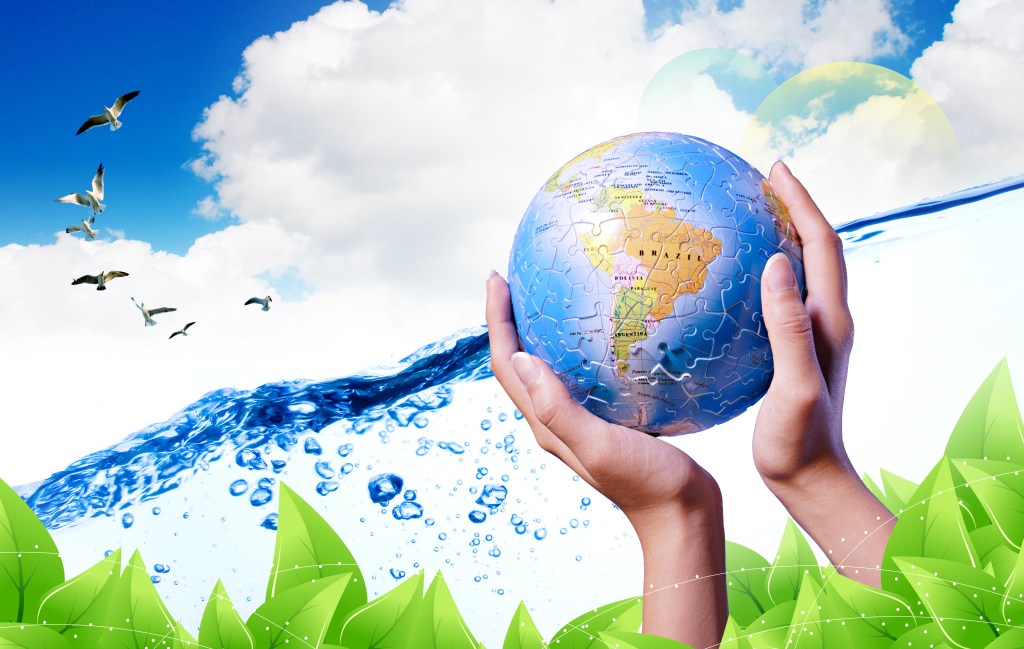


Throughout history, geography has determined the fortunes of nations. Fertile river valleys such as the Nile, the Tigris and Euphrates, and the Indus nurtured the first civilizations, not by accident but because geography provided the means: water for irrigation, soils rich with nutrients, and natural routes for trade. These advantages enabled agriculture, which in turn allowed population growth, specialization, and cultural development. Conversely, societies forced into barren landscapes without adaptation often struggled to endure. The lesson is clear: prosperity begins in the soil, in access to water, and in the capacity to transform geography into sustenance without exhausting it.
Geography also shapes security and vulnerability. Mountain ranges, deserts, and oceans have long acted as natural barriers, protecting societies from invasion and buying them time to develop. The British Isles, shielded by the sea, could resist continental domination and project power outward through naval strength. Switzerland, encircled by mountains, maintained independence through terrain that favored defense. In contrast, flat and open plains such as those of Eastern Europe have historically been corridors of invasion, forcing societies to adapt with strong militaries or alliances. Geography is not destiny, but it sets the terms of the struggle. Understanding it allows societies to prepare; ignoring it leaves them exposed.
The economic impact of geography cannot be overstated. Coastal access has consistently given nations advantages in trade and cultural exchange. Port cities such as Venice, Alexandria, and Singapore flourished by linking distant regions, spreading wealth and ideas across continents. Meanwhile, landlocked states often struggled to participate in global commerce, their growth constrained by geography’s limits. Yet modern technology — railways, aviation, digital communication — has reshaped geography’s constraints, proving that human ingenuity can transcend natural boundaries. Still, the lesson remains: geography is not erased by technology, but reinterpreted by it. Even in the digital age, chokepoints like the Suez Canal or the Strait of Malacca remind us that physical space continues to determine global flows of power and prosperity.
Geography is also inseparable from culture and identity. Landscapes shape the rhythms of life, the myths of peoples, and the structures of community. The wide steppes fostered nomadic cultures built on mobility and horsemanship. Mountain villages cultivated traditions of independence and resilience. Islands nurtured seafaring peoples who saw opportunity in horizons. Geography imprints itself on culture, and culture in turn interprets and adapts geography. To erase geography through careless development or environmental destruction is to sever the roots of culture and identity themselves.
In the present, geography reminds us of both possibility and peril. Climate change, perhaps the greatest challenge of our time, is fundamentally geographical. Rising seas threaten low-lying nations and coastal cities. Shifting rainfall patterns endanger agriculture in regions long sustained by predictable cycles. Melting ice reshapes the geopolitics of the Arctic, opening new routes and resources while destabilizing ecosystems. Geography is no longer fixed in the ways our ancestors assumed; human activity is altering it at an unprecedented pace. This is both a warning and a responsibility. The reshaping of geography through climate change reveals the consequences of ignoring environmental limits, but it also underscores the urgency of coordinated global action.
Geography also offers opportunities for the future. Renewable energy sources are geographically distributed — solar abundance in deserts, wind corridors across plains and coasts, geothermal potential in tectonic zones. The shift to sustainable energy will require societies to understand and harness their geographical assets in new ways. In the same vein, water scarcity will demand careful stewardship of rivers, aquifers, and rainfall, elevating geography from a passive backdrop to an active determinant of policy. In this sense, geography is becoming more central to human survival, not less.
Looking further ahead, geography points beyond Earth itself. If humanity is to extend its reach into space, the same principles that applied to the Nile or the Mediterranean will apply to Mars or the Moon. Habitable zones, access to resources, and the geography of alien landscapes will determine the viability of colonies. Just as ancient peoples adapted to rivers, mountains, and coasts, future generations will adapt to craters, regolith, and thin atmospheres. Geography will remain the first teacher, reminding us that survival depends not on ignoring the land, but on learning from it.
The ultimate lesson of geography is that human destiny is always situated. We do not live in abstractions; we live in places, and those places shape us even as we shape them. To ignore geography is to plan blindly; to respect it is to build wisely. Our future will depend on how well we understand the environments we inhabit — whether cities designed with green corridors, nations prepared for shifting climates, or colonies established on distant worlds. Geography is not a relic of the past but a guide for the future, reminding us that every step forward must be grounded in the realities of land, water, and place.
Humanity’s survival and flourishing will depend not only on our technologies and economies but on our ability to adapt to geography with foresight, discipline, and respect. History shows that civilizations rooted in their landscapes endured, while those that ignored geography faltered. The same choice faces us today, at planetary scale. If we heed geography’s lessons, we can build a future that is resilient, prosperous, and sustainable. If we neglect them, we risk repeating the oldest mistakes of civilization, only this time on a global stage.
 Agrarian Prosperity Committee