The Latest on History…
Our Take on History…
History is not a museum of dead facts; it is the living archive of humanity’s choices, achievements, and failures. It records how societies have endured and how they have collapsed, how they have expanded justice and how they have betrayed it. To treat history merely as memory is to diminish its power. History is a teacher, and its lessons point directly toward the kind of future we are capable of building. A civilization that neglects history is condemned not only to repeat mistakes but to waste the sacrifices and achievements of those who came before. A civilization that studies and applies history can draw strength, resilience, and direction from it.



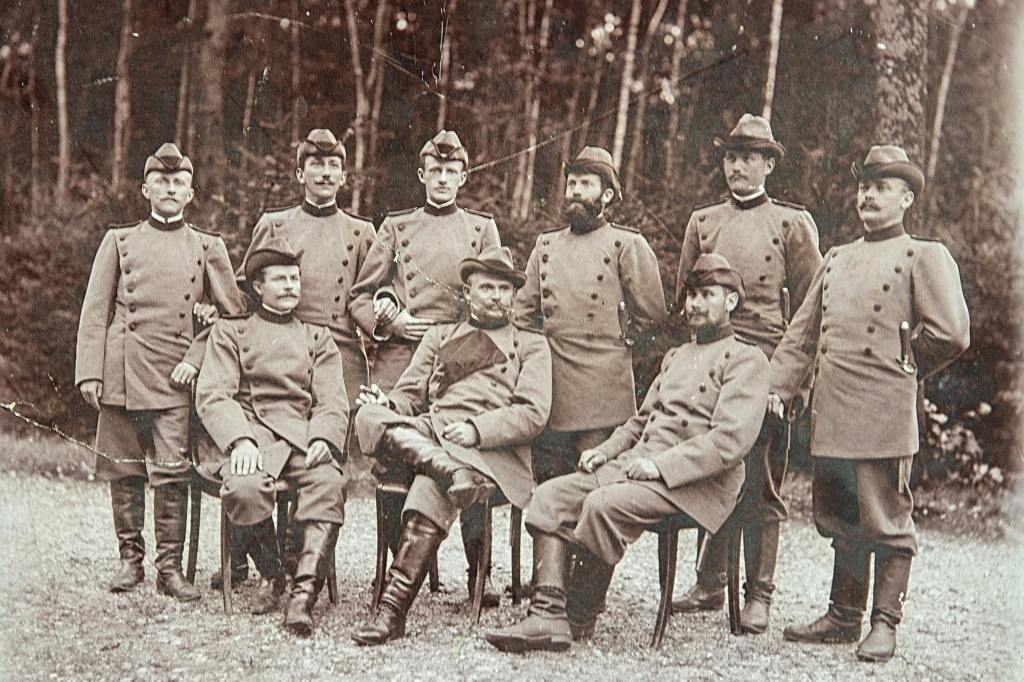
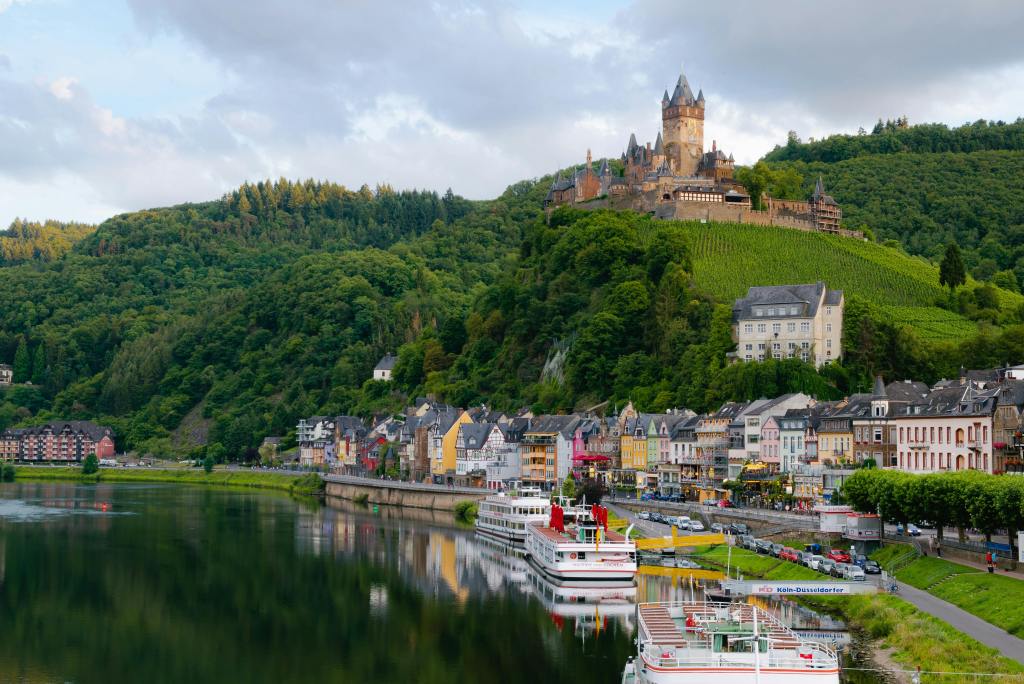
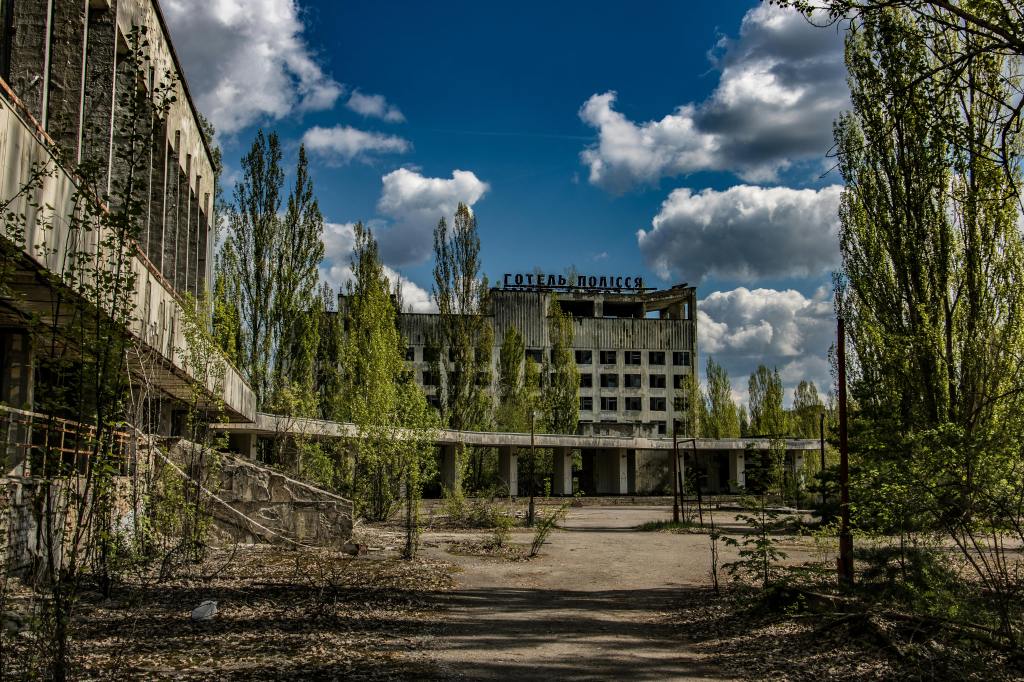
One of the clearest lessons of history is that societies rise or fall depending on how they balance human need with ecological and social limits. Consider the case of the Roman Empire. At its height, Rome commanded vast territories, built enduring infrastructure, and shaped law and governance for centuries. Yet it also overextended itself, exhausting soils through relentless farming, eroding civic responsibility through inequality, and weakening its capacity to adapt to crisis. When environmental shocks and external pressures arrived, Rome could not sustain itself. Its fall was not inevitable, but the cumulative result of choices that neglected sustainability and solidarity. The Roman case demonstrates that even the most powerful civilizations collapse when they sacrifice long-term resilience for short-term gain.
Contrast this with societies that endured through adaptability and balance. For centuries, traditional agricultural communities across East Asia employed crop rotation, irrigation systems, and land stewardship practices that maintained productivity across generations. These practices were not always perfect, but they reflected an awareness that human prosperity depends on ecological renewal. Such societies often weathered crises more effectively than those that pursued extraction without restraint. The lesson here is clear: civilizations that integrate ecological balance into their structures endure; those that ignore it undermine themselves.
History also illustrates the decisive role of social cohesion. The Industrial Revolution transformed Europe and later much of the world, unleashing technological progress on a massive scale. Yet it also produced urban overcrowding, exploitation of labor, and social fragmentation. Where governments and movements responded with reforms — extending education, improving sanitation, recognizing labor rights — societies became stronger and more stable. Where reforms were resisted, instability and unrest followed. For example, the social protections introduced in 19th- and early 20th-century Germany created a framework of resilience that stabilized the state through periods of crisis, whereas unchecked inequality in other contexts bred upheaval and revolution. The message is that progress without social justice breeds fragility, while progress anchored in solidarity creates durability.
The 20th century offers further evidence. The devastation of two world wars revealed the catastrophic consequences of nationalism, militarism, and technological power wielded without restraint. Yet the same century also produced examples of recovery through cooperation. The rebuilding of Europe through the Marshall Plan and the creation of institutions like the United Nations and the European Union demonstrated that even societies shattered by conflict could find strength through shared responsibility and collective frameworks. These cases illustrate that humanity can learn from catastrophe, turning destruction into the impetus for deeper unity. But they also serve as reminders that unity is never guaranteed and must be deliberately chosen and sustained.
These case studies converge on a central point: history reveals that the conditions for survival and progress are not mysteries. They are balance between human ambition and ecological limits, cohesion in the face of division, justice in the distribution of burdens and benefits, and adaptability in the face of change. When these conditions are met, societies endure and often flourish. When they are neglected, decline follows, regardless of wealth or power.
The relevance of these lessons for our future is urgent. Today we face challenges of global scope: climate change, technological disruption, demographic shifts, and geopolitical tensions. These are not fundamentally different from the crises faced by past civilizations, but their scale is unprecedented. The Roman Empire did not face rising global temperatures, nor did the industrial cities of the 19th century contend with digital networks that reshape societies overnight. Yet the underlying principles remain the same: ecological neglect breeds collapse, inequality corrodes stability, and division weakens resilience.
To apply history’s lessons is to recognize that we cannot afford to treat prosperity as infinite or progress as automatic. We must build systems that preserve ecological foundations, that dignify human labor, that strengthen social cohesion, and that direct scientific progress toward human flourishing. History’s failures warn us of the cost of neglect; history’s successes show us the rewards of foresight and solidarity.
The study of history is therefore not an academic exercise but a strategy for survival. Each case study is both a warning and a guidepost. The collapse of Rome warns us of overreach and ecological exhaustion. The endurance of agrarian societies shows us the value of renewal and balance. The social reforms of the Industrial Age demonstrate the necessity of justice in times of disruption. The rebuilding after world wars proves that cooperation can turn devastation into renewal. Together these examples make clear that the future is not determined by fate but by the choices we make.
In the end, history tells us that the fate of humanity rests on our willingness to learn. If we ignore the record, we will stumble into the same patterns of overreach, division, and collapse. If we learn from it, we can build a future that secures not only survival but flourishing. History does not dictate the future, but it reveals the conditions by which futures are made. To honor the past is to recognize its sacrifices, its achievements, and its warnings. To carry its lessons forward is to build a tomorrow that is wiser, stronger, and more just than what came before.
 Agrarian Prosperity Committee