latest posts
- Middle Eastern Animals – Hawksbill Sea Turtle – Yazan Eskandar
- Middle Eastern Animals – Arabian Leopard – Yazan Eskandar
Animal Endangerment: A Future at Stake
Earth is in our hands what will we do about it..
Animal endangerment is not just a concern for scientists or conservationists; it is a defining moral challenge for all humanity. The disappearance of species is not a distant tragedy happening to “nature” out there — it is a direct unraveling of the very systems that sustain human life. Every creature plays a role in the intricate web of existence: bees pollinate crops that feed our families, forests regulate the climate we depend upon, predators like leopards keep ecosystems balanced, and sea turtles maintain coral reefs that shelter fish and provide food for coastal peoples. When these species vanish, we lose more than biodiversity. We lose the silent infrastructure of survival, forcing human societies to replace natural processes with costly, fragile, and often inadequate substitutes. In this way, every extinction is not only a biological loss but an economic, and a human one.


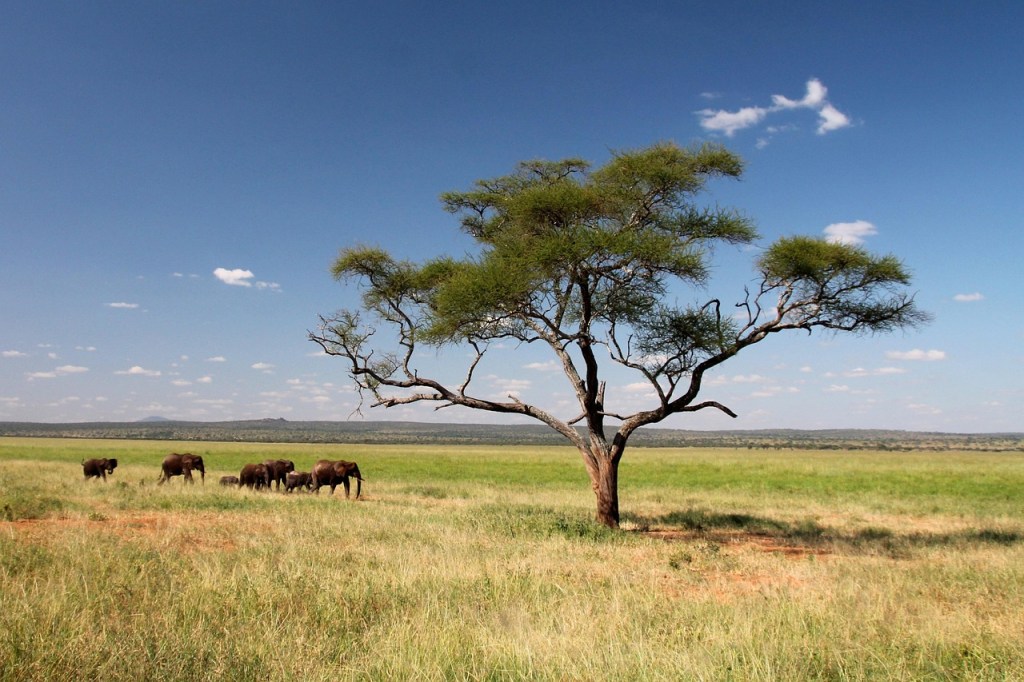

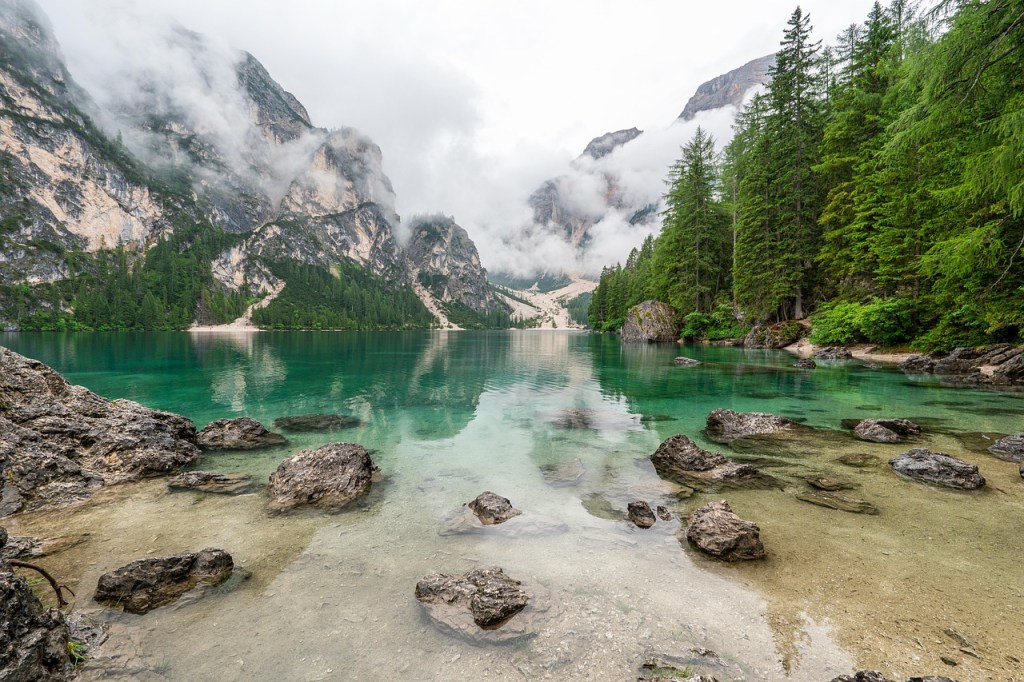
This crisis exposes the flaws of our current way of living. We treat the natural world as if it were an endless resource to be consumed, rather than a living inheritance to be cherished and safeguarded. Ecosystem services — pollination, water purification, soil renewal, climate regulation — are treated as invisible, free gifts. But in truth, they are priceless public goods, essential for every human being, and their destruction imposes hidden costs on families, communities, and nations. Left unchecked, the logic of markets and the pursuit of short-term gain drive biodiversity below the threshold required for human security and prosperity. The fate of animals and ecosystems is bound to our own fate, and ignoring that connection is an act of blindness that imperils the future.
Biodiversity is also humanity’s shield against instability. A rich variety of life gives ecosystems the resilience to withstand shocks — whether droughts, diseases, or invasive species. Like a diversified economy or portfolio, nature’s variety provides security against collapse. Extinction, however, is final. Every time a species disappears, the resilience of the Earth shrinks, and with it our ability to endure crises. What we call “environmental collapse” is not the failure of the planet — the Earth will go on — it is the collapse of the conditions that make human civilization possible.
But the argument is not only practical. It is moral, even spiritual. To drive species into extinction is to betray our role as caretakers of creation. These creatures are not obstacles to human progress; they are our companions, woven into the same story of life. To abandon them is to abandon part of ourselves — our history, our cultures, our sense of meaning. Protecting them is an act of solidarity across time: with our ancestors who lived in awe of nature, and with our descendants who will either inherit a living world or a diminished one. The world, quite literally, is in our hands, and what we choose now will echo for centuries.
Conservation, then, is not a luxury or a sentimental project for the few. It is the disciplined work of investing in natural capital, the foundation of human survival. Policies like payments for ecosystem services, biodiversity credits, and habitat protections are not abstract tools — they are instruments of justice, restoring balance between human ambition and the needs of the living Earth. To save species is to save ourselves, to ensure that prosperity today does not become ruin tomorrow.
In the end, endangered species are not simply victims of our age. They are allies in the struggle for a livable future. Each one is a reminder that humanity’s destiny is inseparable from the rest of life. To lose them is to walk toward poverty, insecurity, and despair. To defend them is to affirm hope, resilience, and the possibility of growth rooted in harmony rather than destruction. Protecting animals is, at its core, about protecting humanity — our health, our cultures, our children, and the moral meaning of our place in the world.
 Agrarian Prosperity Committee